Taming Shadow AI: Governance for Safer Enterprise Rollouts
Shadow AI Clearly Defined
At its simplest, the term refers to any artificial intelligence tool used without formal approval. It covers personal ChatGPT accounts, unsanctioned browser extensions, and experimental agents created in low-code sandboxes. Because these assets live outside IT’s visibility, data classification and access controls rarely apply.
Consequently, sensitive content can slip from regulated systems into unknown vendor clouds within seconds. Moreover, security teams cannot enforce retention or prompt logging, leaving auditors blind. This invisibility transforms routine productivity hacks into major compliance gaps.
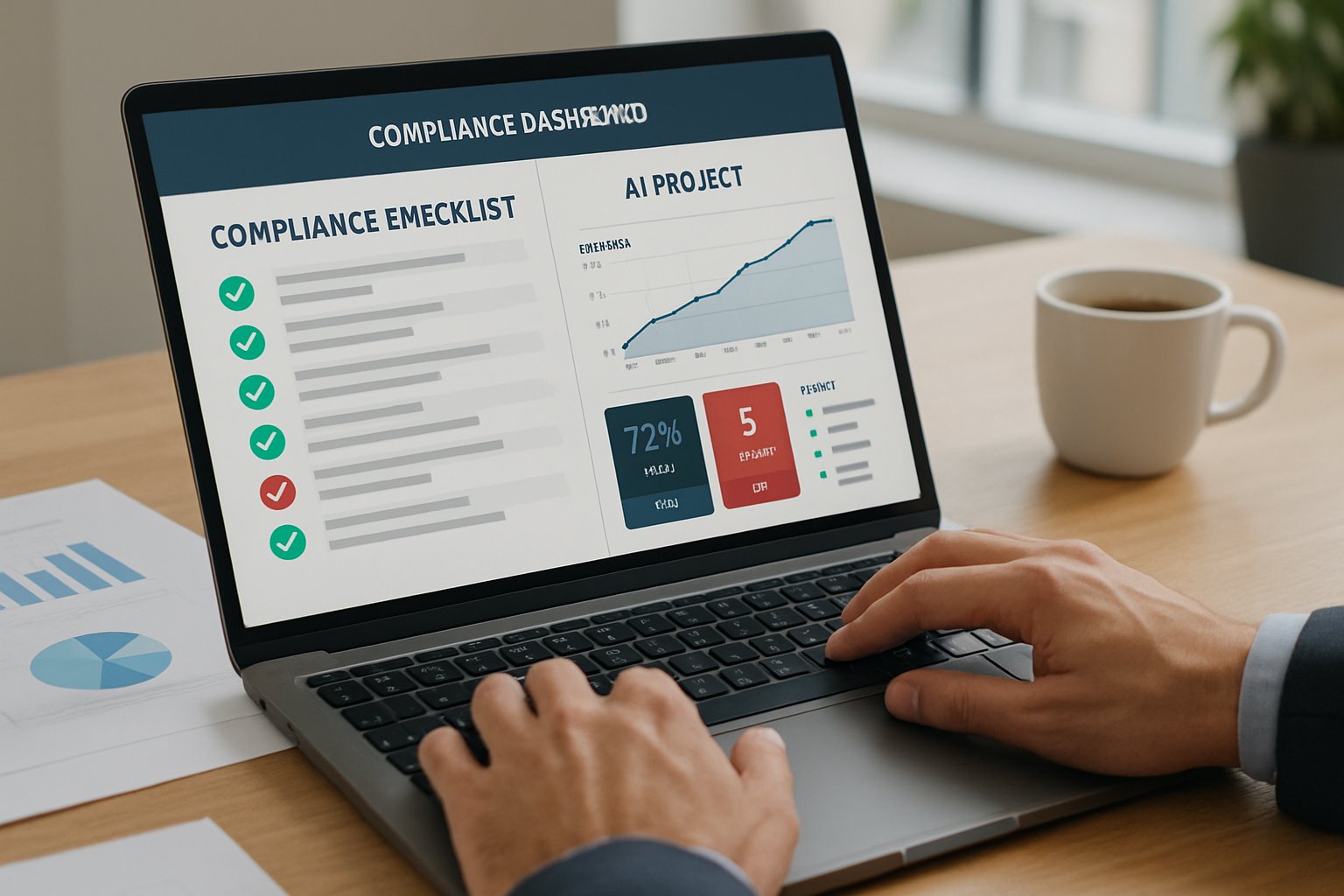
To summarise, unapproved tools turn normal workflows into hidden risk channels. Next, we examine why that risk escalates so quickly.
Serious Enterprise Threat Surge
Recent telemetry proves the problem moved from anecdote to trend. Netskope logs show enterprises average 223 generative incidents monthly. Nearly half involve personal accounts that dump corporate data into consumer models. Shadow AI incidents doubled year over year, according to the same lab.
Meanwhile, survey data mirrors the telemetry. Pew Research found 28% of workers use ChatGPT at work. Axios polling shows 42% of office staff admit secret usage. Furthermore, regulated industries top the charts for risky uploads. Personal and financial data appear in over half of flagged prompts.
In short, unmanaged adoption expands faster than policy updates can keep pace. Therefore, leaders must understand the specific risk categories driving urgency.
Key Major Risk Categories
Security teams group exposures into five repeating patterns. Each pattern surfaces repeatedly during shadow AI investigations.
- Data exfiltration through personal AI accounts.
- Intellectual property leakage inside prompt examples.
- Toxic or biased outputs harming brand reputation.
- Hallucinations causing wrong operational decisions.
- Compliance evidence gaps that block eDiscovery.
Together, these risks multiply because they reinforce one another. Consequently, a single kitchen-table experiment can escalate into a breach, a recall, and a lawsuit.
With clear risk lines mapped, we can explore how structured governance contains them.
AdaptOps Governance Model Blueprint
Adoptify.ai distilled hundreds of client engagements into the AdaptOps model. It delivers a four-stage cadence: Discover, Pilot, Scale, Embed. Each gate introduces checkpoints that transform ad-hoc play into audited practice.
During Discover, the platform surfaces shadow AI traffic through agent inventories and DSPM connectors. In Pilot, week-zero baselines and week-four reviews validate DLP policies before wider release. Moreover, a 50-200 user sandbox tests prompts, connectors, and role labs.
Scale moves successful pilots into production while automated license audits reclaim unused seats. Finally, Embed weaves microlearning nudges, prompt libraries, and ongoing audits into day-to-day work.
AdaptOps aligns security, HR, and product teams around shared metrics and timeboxes. Next, we turn that model into actionable steps.
Practical Control Steps Guide
Leaders often ask where to start. The seven-step playbook below translates theory into repeatable motion.
- Inventory and risk tier. This uncovers shadow AI endpoints before damage occurs.
- Govern by policy-as-code to keep enforcement portable.
- Pilot with funded trials for 50–200 users.
- Provide sanctioned, usable alternatives with better UX.
- Monitor runtime and retain prompt artifacts for forensics.
- Deliver continuous training and microlearning nudges.
- Establish a governance forum with tested remediation playbooks.
When executed in order, these steps create a feedback loop of enable, measure, enforce. Consequently, teams reduce risk while accelerating value.
The next section explains why culture wins or loses the adoption battle.
Culture And Enablement Drivers
Technology controls stop breaches; culture prevents workarounds. Employees choose consumer tools mainly because they solve pain faster.
Therefore, programmes must pair guardrails with usability. Adoptify.ai injects in-app walkthroughs, role-based labs, and prompt templates that feel easier than copying data into public sites.
When users see immediate wins, the lure of shadow AI fades. Additionally, transparent metrics—minutes saved and incident declines—build executive trust that governance supports productivity, not surveillance.
Put simply, enablement removes friction before policy removes access. Finally, we show how to prove the business case.
ROI And Metrics Proof
Executives fund what they can measure. AdaptOps dashboards track licences, active users, minutes saved, and incidents avoided.
Consequently, security leads tie DLP hits to cost avoidance, while HR showcases onboarding acceleration. These numbers convert board scepticism into sustained investment.
Furthermore, reclaiming unused seats cuts the personal subscription incentive by 10–15%, lowering future risk.
Clear metrics close the loop between governance and growth. We now recap the journey and outline next steps.
Effective governance demands visibility, policy automation, and ongoing education. By following the AdaptOps cadence, enterprises transform risky experimentation into safe, scalable value. Shadow AI can become a controlled innovation engine rather than a compliance nightmare.
Why Adoptify AI? Adoptify AI delivers AI-powered digital adoption capabilities, interactive in-app guidance, intelligent user analytics, and automated workflow support. Consequently, organisations achieve faster onboarding, higher productivity, and robust security at enterprise scale. Bring your workflows to life today by visiting Adoptify AI.
Frequently Asked Questions
- What is shadow AI and why does it pose a risk?
Shadow AI refers to unsanctioned tools used outside IT oversight, leading to data leaks and compliance gaps. Adopting in-app guidance and automated support, as seen in Adoptify AI, helps mitigate these hidden risks. - How does the AdaptOps model mitigate risks associated with shadow AI?
The AdaptOps model uses a four-stage approach—Discover, Pilot, Scale, Embed—to uncover hidden endpoints, validate controls, and automate audits. This structured process, aided by user analytics, transforms risky experimentation into secure innovation. - What practical steps help organizations manage AI risks effectively?
Organizations can inventory AI endpoints, enforce policy-driven controls, pilot solutions with controlled user groups, and deliver continuous in-app training. These steps, combined with microlearning nudges, ensure secure and efficient digital adoption. - How does Adoptify AI enhance digital adoption and security?
Adoptify AI delivers interactive in-app guidance, intelligent user analytics, and automated workflow support, accelerating onboarding and productivity while ensuring compliance and reducing risks linked to shadow AI.

FEATURED
Artificial intelligence adoption: Copilot consulting ROI math
February 4, 2026
FEATURED
Microsoft Copilot Consulting: Bulletproof Security Configuration
February 4, 2026
FEATURED
Where Microsoft Copilot Consulting Safeguards Data
February 4, 2026
FEATURED
Microsoft Copilot Consulting: Automate Executive Presentations
February 4, 2026
FEATURED
Microsoft Copilot Consulting Slashes 15 Weekly Hours
February 4, 2026