7 Ways AI Integration Redefines Business Automation
Executive teams feel the clock ticking. Rapid advances in agentic systems promise radical efficiency, yet confusion stalls progress. Effective ai integration now separates experimenters from market leaders.
Gartner forecasts that task-specific agents will reside in 40% of corporate applications by 2026. Meanwhile, McKinsey still notes limited enterprise maturity. Therefore, firms must translate pilots into production through disciplined ai integration frameworks.
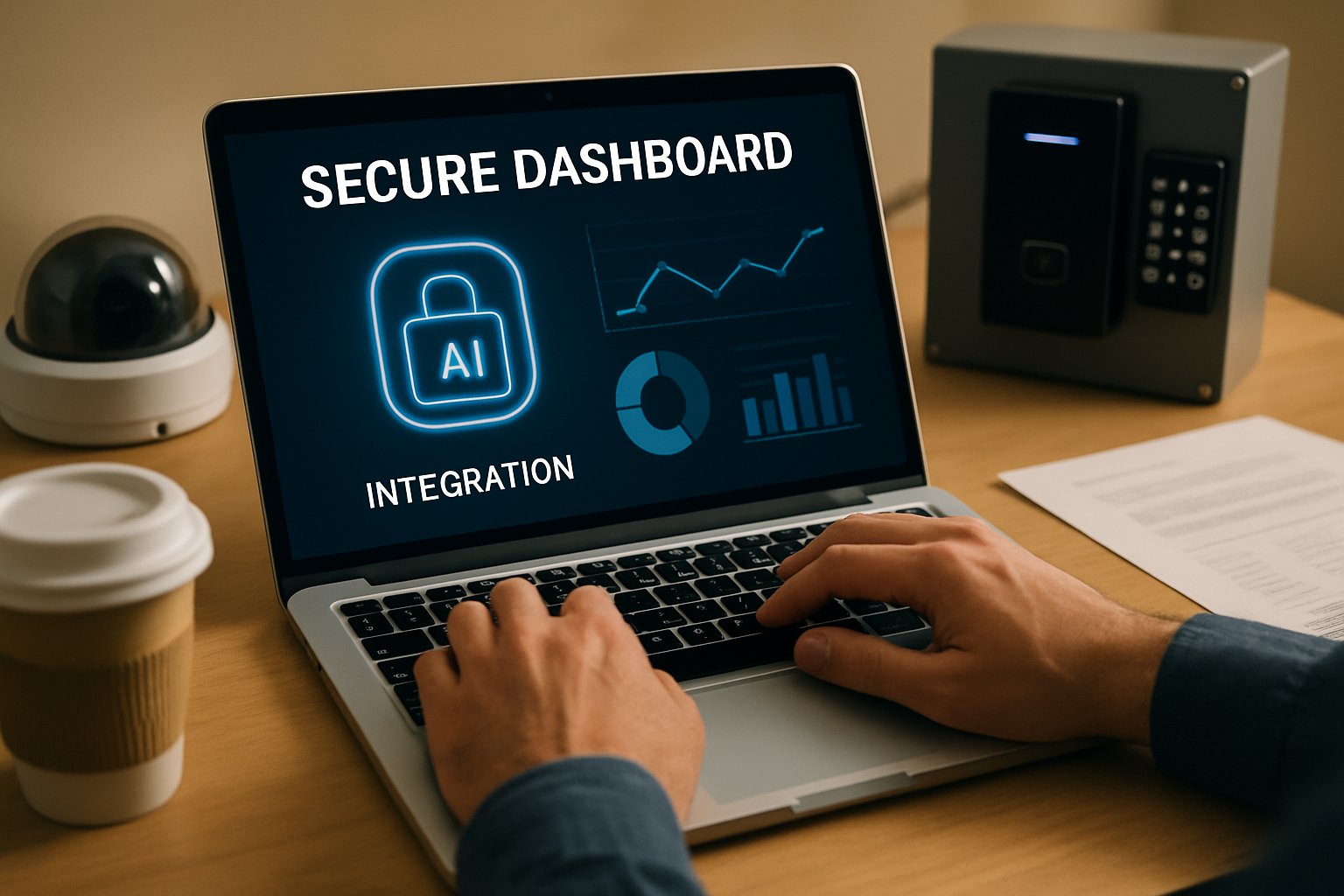
This article unpacks seven concrete moves that redefine automation when agentic ai meets robust operational governance. Each section ties research insights to AdaptOps practices, giving HR, IT, and SaaS leaders an actionable playbook.
Market Momentum Accelerates Fast
Demand for agentic ai has exploded since late 2025. Gartner’s August forecast signaled a three-fold adoption surge within one year.
Consequently, board conversations shifted from experimentation to mandated ai integration delivery. Mayfield’s January survey showed 42% of enterprises already running agents in production.
However, rushed projects without structured ai integration often falter, repeating early RPA mistakes. Leaders now prioritize governed rollouts over flashy demos.
Momentum alone will not guarantee value; operational discipline must follow. Let us examine why governance matters next.
Governance Demands Escalate Rapidly
Unchecked agents create shadow risk. Data may leak, costs balloon, and compliance teams panic.
AdaptOps counters these threats through unified agent inventories, DSPM connectors, and role-based sandboxes. These controls surface every rogue script before harm occurs.
Moreover, canary releases and automatic rollbacks tie technical changes to KPI shifts. Funding decisions become evidence-based rather than political.
Strong governance therefore de-risks ai integration at scale and accelerates sustainable ai adoption.
Governance is the guardrail; metrics provide the steering wheel. We now turn to measurement.
Metrics That Matter Most
Many pilots die because teams track latency instead of outcomes. New agent metrics fill this gap.
Goal Completion Rate, Autonomy Index, and Business Impact Efficiency convert activity logs into dollar signs. Telemetry dashboards inside AdaptOps calculate these numbers continuously, proving each ai integration to finance.
Therefore, executives can compare benefits of agentic ai for business across departments and fund the winners.
Teams should embed baseline snapshots during week-zero, then review impact after four weeks. This cadence links ai adoption to tangible gains.
Clear metrics unlock budgets and trust. Security controls must now protect these gains.
Security Boundaries For Trust
Autonomous agents cannot roam unchaperoned. Academic work calls for authenticated workflows and cryptographic attestations.
AdaptOps applies Purview-style labels, token redaction, and deterministic policy gates. Consequently, sensitive information stays confined, even when prompts mutate.
Furthermore, telemetry links every action to provenance, enabling rapid forensics and eDiscovery readiness.
Solid security makes ai integration credible and highlights additional business gains.
Trust paves the road to scale. People skills then determine speed.
Human Upskilling Drives ROI
Technology stalls when users feel lost. Microlearning, in-app guidance, and champion networks close the gap.
Adoptify delivers contextual tips inside the flow of work, while dashboards visualize personal efficiency wins.
Moreover, HR leaders can align upskilling with OKRs, reinforcing continuous ai adoption through performance conversations.
Successful ai integration also depends on people training. These practices amplify the benefits of agentic ai for business and sustain value long after launch.
Empowered people maximize automated workflows. A unified platform strategy completes the puzzle.
Unified Platform Playbook Essentials
Analysts expect consolidation around end-to-end agentic ai platforms. Fragmented tools inflate costs and increase risk.
AdaptOps orchestrates models, memory, connectors, debugging, and cost controls within a single control plane. Therefore, teams avoid agent sprawl.
Four Stage Framework Guide
Below is a concise framework for moving from idea to embedded value:
- Discover: inventory needs, assess data readiness.
- Pilot: sandbox agents, set exit metrics.
- Scale: deploy canaries, monitor autonomy.
- Embed: integrate with KPIs, automate funding.
This consolidation sharpens the benefits of agentic ai for business, cutting duplicate licenses. This four stage framework guide ensures every ai integration delivers measurable returns while supporting ongoing ai adoption.
Platform discipline finalizes operational maturity. Let us close with actionable next steps.
Agentic systems are racing from concept to core infrastructure. The seven moves above prove disciplined governance and precise metrics turn hype into profit. Airtight security, ongoing learning, and unified platforms reinforce that success.
Why Adoptify AI? Its AI-powered digital adoption platform couples interactive in-app guidance, intelligent user analytics, and automated workflow support. Consequently, enterprises realize faster onboarding, higher productivity, and secure, scalable operations. When your next ai integration project demands speed and certainty, choose Adoptify AI to streamline work and unlock lasting value. Get started today.
Frequently Asked Questions
- What is the role of disciplined AI integration in digital adoption?
Disciplined AI integration uses robust governance and clear metrics to drive sustainable digital adoption. Adoptify AI leverages task-specific agents, in-app guidance, and automated workflow support to deliver measurable ROI. - How can in-app guidance and microlearning boost user adoption?
In-app guidance and microlearning empower users with contextual tips and just-in-time training. Adoptify AI integrates interactive support and analytics to streamline learning, ensuring effective digital adoption. - How does a unified platform improve workflow intelligence?
A unified platform consolidates processes like model orchestration and debugging to enhance workflow intelligence. Adoptify AI’s all-in-one approach reduces risk and improves operational efficiency through automated solutions. - What security measures ensure reliable AI integration in enterprises?
Robust security measures, including authenticated workflows and token redaction, protect enterprise data. Adoptify AI combines strict governance with automated support to ensure secure, scalable AI integration and operational resilience.
FEATURED
7 Reasons To Embrace AI-Native Architecture
March 2, 2026
FEATURED
Hybrid AI FAQ: Strategy, Governance, and ROI
March 2, 2026
FEATURED
Agentic AI Integration Playbook for Enterprises
March 2, 2026
FEATURED
Agentic AI: Automating Finance Operations With Governance
March 2, 2026
FEATURED
Building Resilient AI Integration Frameworks
March 2, 2026